General and Cosmetic Dentistry: Professional Treatments, Procedures, and Care Services
General dentistry and cosmetic dentistry fulfill vital roles in oral health and aesthetics. While general dentistry emphasizes preventive care and upkeep, cosmetic dentistry seeks to beautify smiles through various procedures. Knowing these variations is essential for making knowledgeable decisions about oral healthcare. Each field provides specific benefits and procedures that serve different needs. What particular procedures can truly transform a smile or maintain general oral health?
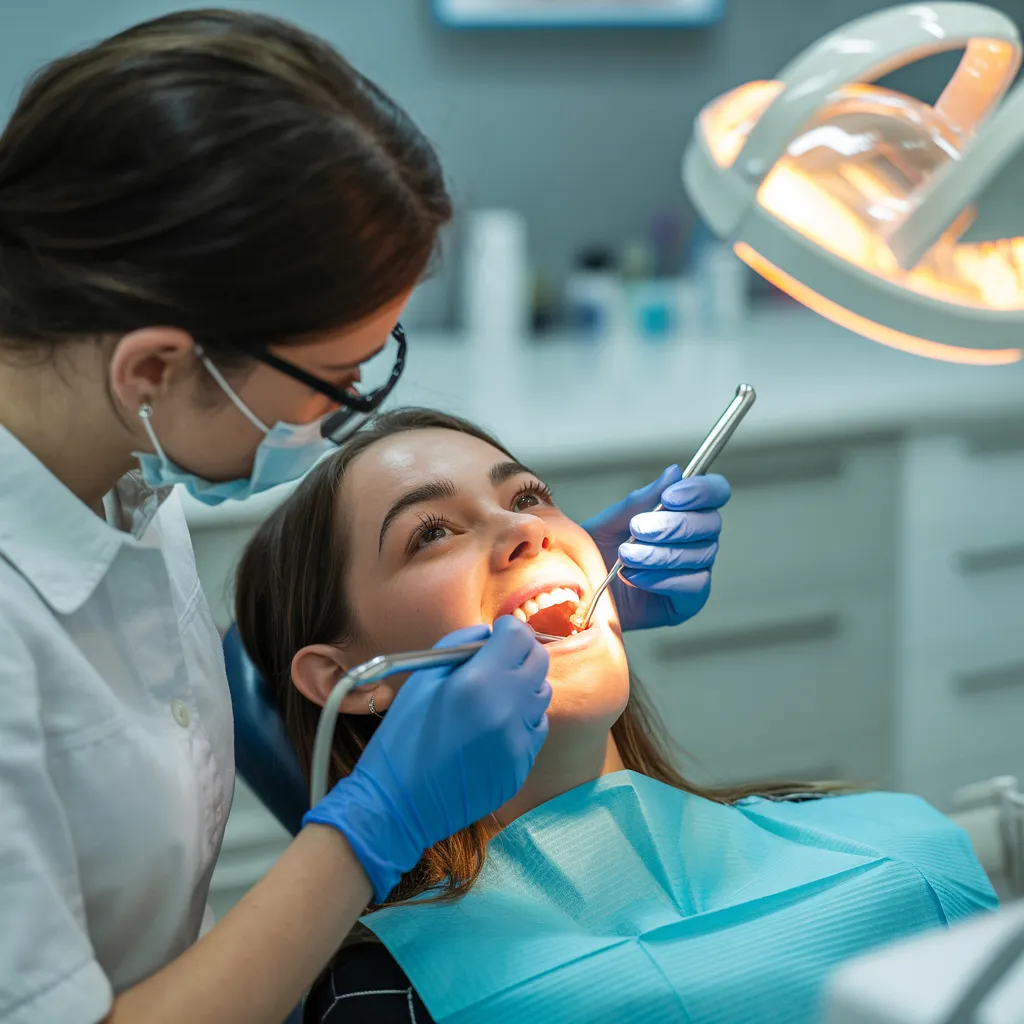
Comprehending the Distinction: Cosmetic and General Dentistry
Although both cosmetic and general dentistry seek to boost oral health, they serve different purposes and focus areas. General dentistry primarily focuses on the preservation and prevention of oral health problems, ensuring that teeth and gums remain healthy. This encompasses routine assessments, cleanings, and treatments for prevalent dental problems such as cavities and gum disease.
Conversely, cosmetic dentistry emphasizes enhancing the visual appeal of teeth, gums, and smiles. It comprises a range of treatments designed to improve visual appeal, such as dental whitening, veneers, and orthodontics. Patients exploring cosmetic dentistry typically do so to enhance their confidence and overall confidence.
In the end, while there may be some overlap between the two fields, cosmetic dentistry prioritizes aesthetics, while general dentistry focuses on health and function. Recognizing these variations can help individuals make well-informed decisions about their dental care needs.
Core Services Delivered by General Dentists
General dentists offer a variety of fundamental services that guarantee excellent oral health. These include routine dental examinations, preventive treatment services, and reconstructive treatment options customized to individual patient needs. Comprehending these services is critical for preserving dental wellness and resolving any issues that may arise.
Regular Check-Up Procedures
How regularly do individuals reflect on the significance of routine dental check-ups? These appointments are essential for sustaining oral health. During a routine check-up, a general dentist conducts a detailed examination of the teeth, gums, and mouth. This includes checking for cavities, gum disease, and other potential issues. Moreover, dental X-rays may be taken to discover underlying problems not visible during the physical examination. Professional teeth cleaning is also performed, removing plaque and tartar buildup that regular brushing cannot eliminate. Additionally, the dentist provides advice on proper oral hygiene practices adapted to individual needs. In summary, routine check-ups serve as a proactive approach to prevent dental issues and support long-term oral health, underscoring the value of regular visits to the dentist.
Preventive Wellness Services
Preventive care services play an important role in maintaining oral health and preventing dental dental care issues. General dentists focus on a variety of treatments aimed at early detection and mitigation of potential problems. These services include professional cleanings, which remove plaque and tartar buildup, as well as fluoride treatments that strengthen tooth enamel. Dentists further perform detailed assessments to recognize cavities, gum disease, and various oral health matters. Patient education is another vital aspect, where dentists emphasize the importance of proper brushing, flossing, and dietary choices. Moreover, sealants might be utilized to safeguard molars from decay. Via these preventive strategies, general dentists enable patients to sustain excellent oral health and minimize the chance of more involved and costly interventions down the road.
Restoration Treatment Options
Restorative treatment solutions function as vital services offered by general dentists to fix and correct dental issues that develop even with preventive care efforts. These treatments include fillings, crowns, bridges, dentures, and root canals, each designed to restore function and aesthetics to damaged teeth. Fillings are typically used for cavities, while crowns can fortify damaged teeth. Bridges replace missing teeth, and dentures provide a detachable option for multiple tooth loss. Root canals resolve infections inside the tooth, maintaining it for ongoing function. By using advanced materials and techniques, general dentists work to secure durability and natural appearance in restorations. Finally, these restorative options fulfill a vital purpose in preserving dental wellness and improving patients' quality of life.
Popular Aesthetic Dental Procedures to Improve Your Smile
When individuals aim to perfect their smiles, a variety of popular cosmetic dentistry procedures have emerged, each designed to enhance both aesthetics and confidence. Teeth whitening is one of the most popular treatments, allowing patients to achieve a brighter, more youthful appearance. Dental veneers, thin shells of porcelain or composite resin, can remedy imperfections like chips and discoloration, providing a natural look. In addition, dental bonding is a cost-effective solution for minor repairs, effectively fixing gaps or cracks in teeth.
For patients desiring a more dramatic transformation, orthodontic treatments, such as clear aligners, offer an inconspicuous way to straighten teeth. Gum contouring can also reshape the gum line, improving overall smile symmetry. Such procedures not only improves the visual appeal of the smile but also increases self-esteem, making them popular choices in modern cosmetic dentistry.
How Regular Dental Check-Ups Impact Your Health
Consistent dental check-ups are crucial for maintaining general health, as they allow for the early detection of potential issues before they escalate. These visits also contribute significantly to reinforcing oral hygiene practices and avoiding more pricey treatments down the line. By prioritizing routine check-ups, individuals can safeguard their dental health effectively.
Timely Issue Identification
While many individuals may minimize the importance of routine dental appointments, these visits play a significant role in maintaining overall health. Regular dental examinations support the early detection of potential problems such as cavities, gum disease, and oral cancers. Dentists can recognize minor changes that may suggest underlying health issues, often before patients are conscious of any symptoms. This proactive approach permits timely intervention, which can prevent more severe complications and costly treatments in the future. Furthermore, early detection supports better long-term outcomes for dental and overall health, highlighting the importance of adhering to a consistent dental care schedule. By focusing on routine visits, individuals can preserve their health and promote a healthier lifestyle.
Preserving Oral Hygiene
Maintaining oral hygiene is essential for overall health, and regular dental check-ups are a key component in achieving this goal. These check-ups enable dental practitioners to evaluate the state of the teeth and gums, guaranteeing that any prospective issues are discovered early. Routine visits enable professional cleanings that extract plaque and tartar accumulation, which can cause cavities and gum disease if left untreated. Furthermore, dental check-ups present an opportunity for patients to receive personalized advice on successful oral care routines. By prioritizing routine visits to the dentist, individuals can sustain better oral health, which is closely linked to overall well-being. Fundamentally, these check-ups add significantly to avoiding serious health complications related to poor oral hygiene.
Avoiding Costly Dental Work
Regular dental check-ups play a significant role in avoiding costly treatments down the line. Consistent visits to the dentist allow for early detection of potential problems such as cavities, gum disease, and oral cancers. Addressing these issues in their initial stages can result in simpler, less expensive treatments, ultimately saving patients from extensive procedures that may result from neglect. Moreover, professional cleanings eliminate plaque and tartar buildup, reducing the risk of decay and other complications. Preventive care fosters a proactive approach to oral health, making certain that patients maintain optimal hygiene and avoid significant consequences. By prioritizing routine dental visits, individuals can safeguard their health and financial wellness, making these appointments a wise investment in their future.
Latest Innovations in Cosmetic Dentistry
As developments in technology proceed to revolutionize the field of dentistry, the newest innovations in cosmetic dentistry are transforming patient experiences and results. One notable development is the utilization of 3D printing, which permits the rapid production of customized dental restorations, such as crowns and veneers, improving precision and reducing wait times. Additionally, digital smile design technology permits dentists to create a virtual representation of a patient's smile, promoting better communication and expectation management.
Minimally invasive procedures, such as laser dentistry, are becoming increasingly popular, leading to decreased discomfort and speedier recovery times. Additionally, improvements in teeth whitening technologies and materials offer patients more durable and better results. Biocompatible materials are also gaining traction, guaranteeing aesthetic improvements while emphasizing patient safety. Together, these innovations are elevating the standard of care in cosmetic dentistry, providing patients with enhanced and tailored treatment options.
Finding the Right Dentist for Your Oral Health
Picking the right dentist is vital for attaining the desired results in both cosmetic and general dentistry. Patients should begin by assessing the dentist's qualifications, experience, and area of specialization. Researching online reviews and testimonials can provide information into others' experiences, revealing the dentist's skill level and patient care.
Moreover, personal recommendations from friends or family can serve as important resources. It is also essential to assess the dentist's office environment and staff professionalism, as a welcoming atmosphere can enhance the overall experience. During initial consultations, prospective patients should feel comfortable discussing their concerns and treatment goals. This interaction can help gauge the dentist's communication style and willingness to listen. In conclusion, considering the dentist's availability for emergency services and ongoing care is vital for ensuring a long-term partnership. By taking these factors into account, individuals can find a dentist who suits their needs and enhances their smile.
Grasping the Pricing of General and Cosmetic Dentistry Procedures
Understanding the expenses related to cosmetic and general dentistry treatments is essential for patients organizing their dental care. These costs can differ significantly based on the type of procedure, geographic location, and the experience of the dental practitioner. General dentistry procedures, such as cleanings and fillings, typically cost less than cosmetic treatments like veneers or teeth whitening.
Insurance coverage often plays a key role; several policies encompass general dentistry services but may exclude cosmetic treatments. Patients need to factor in supplementary charges, such as follow-up visits or needed ongoing treatment.
To effectively manage costs, patients are urged to request comprehensive quotes and explore payment plans. Some dental practices offer financing options to reduce the financial burden. In the end, understanding these financial aspects allows patients to make knowledgeable determinations about their oral health and cosmetic objectives.
Your Questions Answered
Is it Safe for Pregnant Women to Have Dental Treatments?
Dental care can be secure for pregnant women, particularly in the second trimester. Nonetheless, it's vital to consult healthcare providers to guarantee both maternal and fetal health are prioritized, while considering required precautions during interventions.
How Regularly Should I Switch Out My Toothbrush?
Toothbrushes ought to be replaced every three or four months or sooner if bristles become frayed. Routine replacement guarantees maximum cleaning effectiveness and decreases the risk of bacteria accumulation, encouraging better oral health and hygiene practices.
Can Dental Procedures Cause Pain or Discomfort?
Dental treatments may result in pain or discomfort, based on the type of treatment and the patient's pain tolerance. However, dentists generally employ anesthesia and other approaches to lessen discomfort during procedures, making sure patient care remains a priority.
What Should I Do in Case of a Dental Emergency?
When facing a dental emergency, it's important to stay calm, evaluate the circumstances, and obtain prompt care. Call a dentist without delay, address pain if needed, and don't attempt self-treatment to stop the situation from becoming more severe.
Are There Any Age Limitations for Cosmetic Dentistry Treatments?
Age limitations for cosmetic dentistry treatments differ by provider and procedure. In general, adolescents may pursue treatments after dental development, while older adults can usually participate. Consulting with a dental professional is vital for personalized guidance.