Cosmetic and General Dentistry: Expert Procedures, Treatments, and Care Solutions
General dentistry and cosmetic dentistry fulfill vital roles in overall dental wellness and visual appeal. While general dentistry emphasizes prevention and maintenance, cosmetic dentistry aims to improve smile appearance through diverse dental procedures. Understanding these distinctions is important for making knowledgeable decisions about teeth care. Each field presents specific benefits and procedures that address different needs. What particular procedures can genuinely enhance a smile or sustain general oral health?
Understanding the Difference: Cosmetic and General Dentistry
While both cosmetic and general dentistry work to improve oral health, they offer distinct purposes and focus areas. General dentistry primarily addresses the preservation and prevention of oral health issues, making sure that teeth and gums remain healthy. This includes routine check-ups, cleanings, and treatments for typical dental conditions such as cavities and gum disease.
On the other hand, cosmetic dentistry focuses on elevating the aesthetic quality of teeth, gums, and smiles. It includes a array of procedures designed to enhance appearance, such as dental whitening, veneers, and orthodontics. People considering cosmetic dentistry commonly do so to enhance their confidence and overall confidence.
At the end of the day, while there could be some convergence between the two disciplines, cosmetic dentistry focuses on aesthetics, while general dentistry concentrates on health and function. Recognizing these variations can help individuals make educated decisions about their dental care needs.
Vital Services Delivered by General Dentists
General dentists offer a variety of core services that ensure optimal oral health. These include routine dental examinations, preventive treatment services, and restorative procedures adapted to individual patient needs. Being aware of these services is vital for keeping dental wellness and managing any issues that may arise.
Regular Check-Up Procedures
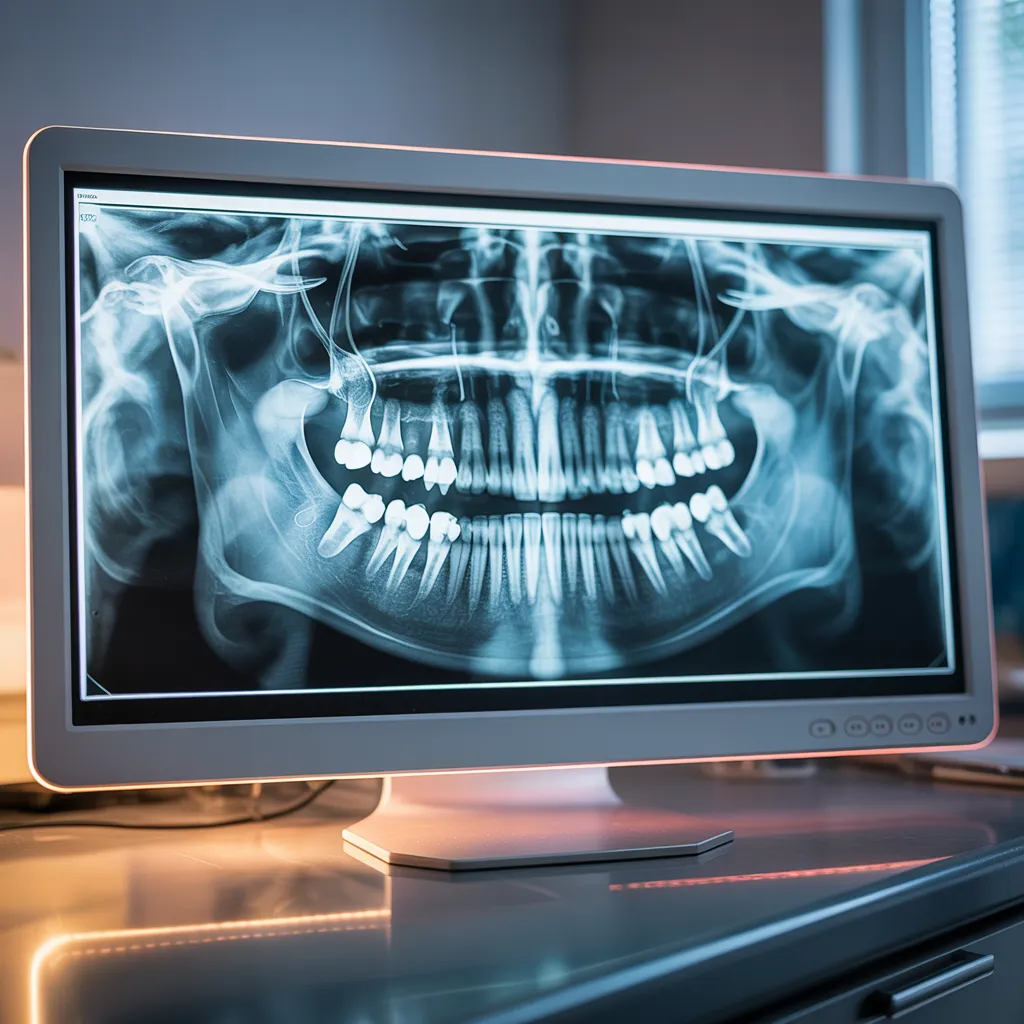
How frequently do people think about the significance of routine dental check-ups? These appointments are crucial for maintaining oral health. During a routine check-up, a general dentist carries out a thorough examination of the teeth, gums, and mouth. This includes examining for cavities, gum disease, and other possible issues. Furthermore, dental X-rays may be taken to discover underlying problems not visible during the physical examination. Professional teeth cleaning is also completed, removing plaque and tartar buildup that regular brushing cannot eliminate. Furthermore, the dentist provides guidance on proper oral hygiene practices customized to individual needs. Overall, routine check-ups serve as a proactive approach to prevent dental issues and encourage long-term oral health, underscoring the importance of regular visits to the dentist.
Preventive Healthcare Services
Preventive dental care is essential for preserving oral health and avoiding dental problems. General dentists focus on a variety of treatments aimed at early detection and mitigation of potential problems. These procedures encompass professional cleanings that eliminate plaque and tartar accumulation, along with fluoride applications that fortify tooth enamel. Dentists additionally conduct comprehensive evaluations to detect cavities, gum disease, and additional oral health issues. Patient instruction represents another critical component, where dentists stress the significance of correct brushing, flossing, and nutritional decisions. Moreover, sealants might be utilized to safeguard molars from decay. Through these preventive measures, general dentists help patients maintain ideal oral health and reduce the likelihood of more extensive and costly treatments in the future.
Restorative Treatment Solutions
Restorative dental procedures act as fundamental services delivered by general dentists to address and repair dental issues that develop even with preventive care efforts. These treatments include fillings, crowns, bridges, dentures, and root canals, each designed to reinstate both function and visual appeal to damaged teeth. Fillings are usually used for cavities, while crowns can fortify damaged teeth. Bridges fill gaps from lost teeth, and dentures provide a detachable option for multiple tooth loss. Root canals address infections within the tooth, keeping it functional for future use. By using advanced materials and techniques, general dentists endeavor to guarantee durability and natural appearance in restorations. Finally, these restorative options serve an essential function in sustaining oral well-being and elevating patients' quality of life.
Common Dental Cosmetic Treatments to Enhance Your Smile
As people look to improve their smiles, a variety of popular cosmetic dentistry procedures have emerged, each designed to enhance both aesthetics and confidence. Teeth whitening is one of the most in-demand treatments, allowing patients to achieve a brighter, more youthful appearance. Dental veneers, thin shells of porcelain or composite resin, can correct imperfections like chips and discoloration, providing a natural look. Additionally, dental bonding is a cost-effective solution for minor repairs, effectively addressing gaps or cracks in teeth.
For individuals seeking a more dramatic transformation, orthodontic treatments, including clear aligners, offer an inconspicuous way to straighten teeth. Gum contouring can also reshape the gum line, enhancing overall smile symmetry. Such procedures not only improves the visual appeal of the smile but also increases self-esteem, making them popular choices in modern cosmetic dentistry.
Why Consistent Dental Check-Ups Are Essential for Your Health
Routine dental examinations are vital for maintaining comprehensive health, as they facilitate the early detection of emerging issues before they intensify. These visits also play a vital role in maintaining oral hygiene practices and avoiding more expensive treatments down the line. By prioritizing routine examinations, individuals can preserve their dental health successfully.
Prompt Issue Identification
While many people may overlook the significance of routine dental appointments, these useful tips check-ups play a crucial role in preserving overall health. Regular dental inspections allow for the early detection of potential issues such as cavities, gum disease, and oral cancers. Dentists can spot small changes that may indicate underlying health conditions, often before patients are aware of any symptoms. This proactive approach permits timely intervention, which can avoid more severe complications and pricey treatments in the future. In addition, early detection contributes to better long-term outcomes for dental and overall health, reinforcing the value of following a consistent dental care schedule. By emphasizing routine examinations, individuals can protect their health and promote a healthier lifestyle.
Preserving Oral Hygiene
Maintaining dental health is vital for overall health, and routine dental check-ups are a critical component in attaining this goal. These check-ups permit dental practitioners to examine the condition of the teeth and gums, ensuring that any potential issues are discovered early. Scheduled visits allow for professional cleanings that remove plaque and tartar buildup, which can lead to cavities and gum disease if left untreated. Moreover, dental check-ups offer an opportunity for patients to receive customized advice on successful oral care routines. By focusing on consistent visits to the dentist, individuals can preserve better oral health, which is intimately linked to total well-being. Essentially, these check-ups lead significantly to avoiding serious health complications related to poor oral hygiene.
Stopping Expensive Treatments
Regular dental examinations play a significant role in preventing costly treatments down the line. Routine visits to the dentist permit early detection of potential problems such as cavities, gum disease, and oral cancers. Tackling these concerns in their initial stages can lead to simpler, less expensive treatments, ultimately saving patients from extensive procedures that may arise from neglect. Additionally, professional cleanings clear away plaque and tartar buildup, reducing the risk of decay and other complications. Preventative care fosters a proactive approach to oral health, ensuring that patients maintain excellent hygiene and avoid severe consequences. By making a priority of routine dental visits, individuals can protect their health and financial wellness, making these appointments a sound investment in their future.
Latest Innovations in Smile Enhancement
While progress in technology proceed to transform the domain of dentistry, the newest innovations in cosmetic dentistry are transforming patient experiences and results. One major development is the use of 3D printing, which enables the fast production of personalized dental restorations, such as crowns and veneers, enhancing precision and minimizing wait times. Furthermore, digital smile design technology allows dentists to create a virtual representation of a patient's smile, promoting better communication and expectation management.
Minimally invasive procedures, like laser dentistry, are growing in demand, leading to less pain and speedier recovery times. Additionally, improvements in teeth whitening methods and products offer patients extended and better results. Biocompatible materials are also becoming more prevalent, ensuring aesthetic improvements while emphasizing patient safety. Together, these innovations are improving the standard of care in cosmetic dentistry, delivering patients with enhanced and personalized treatment options.
Finding the Perfect Dentist for Your Oral Health
Picking the right dentist is crucial for achieving the desired results in both cosmetic and general dentistry. Patients should start by examining the dentist's qualifications, experience, and area of specialization. Reviewing online reviews and testimonials can provide insights into others' experiences, showcasing the dentist's skill level and patient care.
Moreover, personal recommendations from relatives and friends can serve as valuable resources. It is also crucial to assess the dentist's office environment and staff professionalism, as a welcoming atmosphere can elevate the overall experience. During initial consultations, prospective patients should feel comfortable discussing their concerns and treatment goals. This interaction can help gauge the dentist's communication style and willingness to listen. In conclusion, considering the dentist's availability for emergency services and ongoing care is vital for ensuring a long-term partnership. By taking these factors into account, individuals can find a dentist who suits their needs and enhances their smile.
Grasping the Expenses of Cosmetic and General Dentistry Procedures
Grasping the expenses related to cosmetic and general dentistry treatments is essential for patients organizing their dental care. These costs can differ substantially based on the type of service, geographic location, and the experience of the dental practitioner. General dentistry services, such as cleanings and fillings, typically cost less than cosmetic procedures like veneers or teeth whitening.
Insurance coverage often plays a key role; several policies encompass general dentistry services but could omit cosmetic treatments. People should also think about additional expenses, including follow-up visits or necessary maintenance.
To effectively manage costs, patients are urged to obtain detailed estimates and inquire about payment plans. Many dental offices provide financing options to ease the financial burden. Finally, understanding these financial aspects allows patients to make informed decisions about their dental health and aesthetic goals.
Your Questions Answered
Is it Safe for Pregnant Women to Have Dental Treatments?
Dental treatments can be safe for pregnant women, especially in the second trimester. Nevertheless, it's essential to consult healthcare providers to guarantee both maternal and fetal health are prioritized, while considering necessary precautions during interventions.
How Often Should I Replace My Toothbrush?
Toothbrushes should typically be replaced every three to four months or sooner if bristles fray. Regular replacement guarantees maximum cleaning efficiency and reduces the risk of bacteria accumulation, supporting better oral health and hygiene practices.
Might Dental Procedures Cause Pain or Discomfort?
Dental work can lead to pain or discomfort, depending on the nature of the procedure and the patient's pain tolerance. Nevertheless, dentists commonly use anesthesia and other techniques to reduce pain during treatments, ensuring patient care remains a priority.
What Steps Should I Take During a Dental Emergency?
During a dental emergency, remaining composed, assessing what's happening, and getting immediate attention is essential. Reach out to a dentist right away, control discomfort when needed, and refrain from treating yourself to avoid additional problems or deterioration.
Are There Age Restrictions for Cosmetic Dentistry Treatments?
Age restrictions for cosmetic dentistry treatments differ by treatment and practitioner. Generally, adolescents may undergo treatments after dental development, while older adults can usually participate. Consulting with a dental professional is crucial for individualized guidance.