The Importance of Choosing the Right Orthodontist for Your Smile Journey
Choosing the best orthodontist is a critical decision in achieving an exceptional smile. This decision affects not only the success of the treatment but also the general experience. A skilled orthodontist appreciates individual needs and tailors plans appropriately. Furthermore, their ability to communicate effectively can greatly improve patient comfort. As the treatment advances, the effect of this decision becomes increasingly evident, generating questions about what attributes truly count in an dental professional.
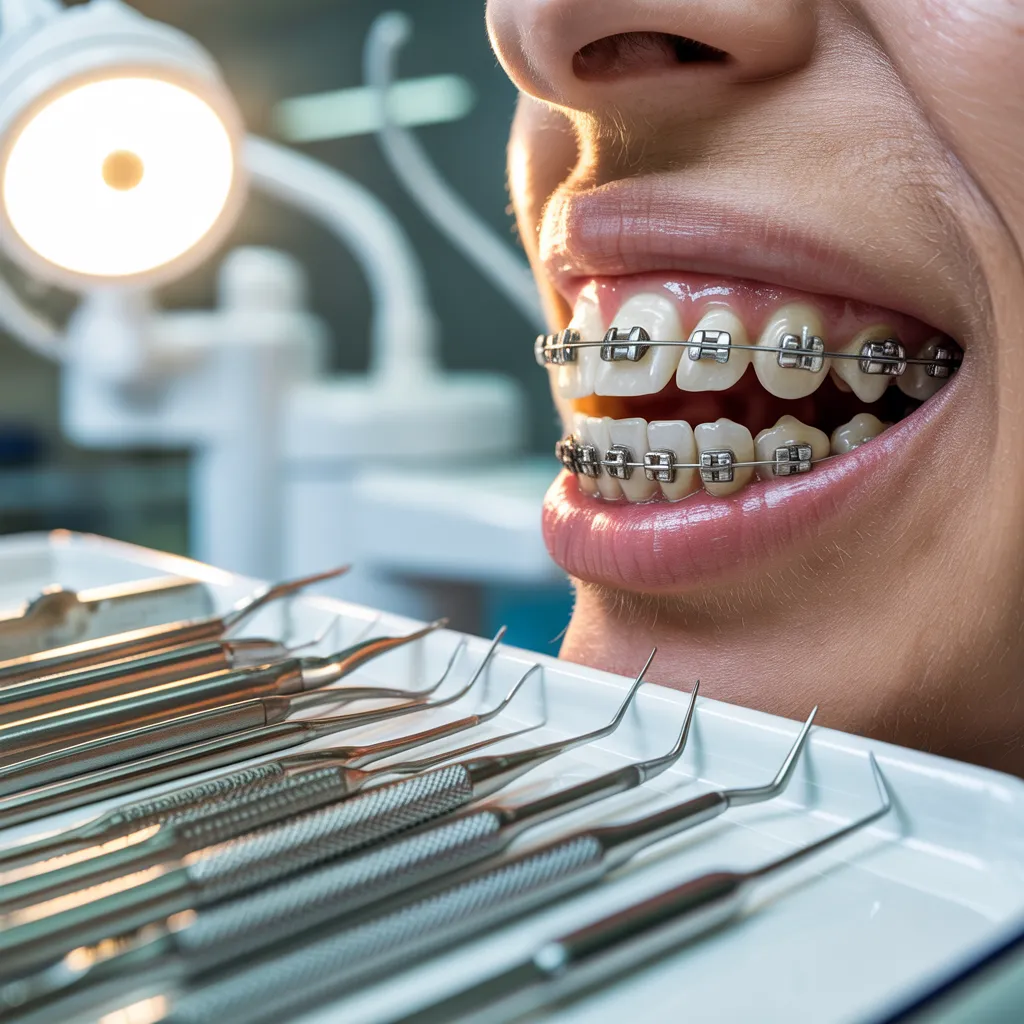
Why Picking the Right Orthodontist Makes a Difference for Your Smile
Choosing the best orthodontist is vital, as a talented professional can considerably influence the result of one's smile. The journey to attaining a perfect smile involves not only professional knowledge but also a deep understanding of individual needs. An experienced orthodontist employs personalized treatment plans, making certain that each patient is given personalized attention based on their unique dental structure.
Moreover, the selection of orthodontist shapes not only the effectiveness of the treatment but also the overall experience. A dedicated and responsive orthodontist cultivates a welcoming environment, encouraging patients to ask questions and express concerns throughout the treatment journey.

Additionally, the ideal orthodontist remains current with the most recent advancements in orthodontic techniques and technology, which can result in more successful and streamlined treatments. In the end, finding a qualified orthodontist is a crucial step toward securing a stunning, healthy smile that can enhance confidence and elevate your overall quality of life.
Important Qualities to Seek in Your Orthodontist
A successful orthodontic experience hinges on recognizing essential qualities in a qualified orthodontist. To begin with, a solid educational foundation and appropriate certifications are crucial, ensuring the orthodontist is well-trained and knowledgeable about the latest techniques. Next, effective communication skills are vital; the orthodontist ought to clearly convey available treatment plans while thoughtfully responding to any concerns raised by patients.
Moreover, a compassionate and patient-centered approach can significantly improve the treatment experience. A dental professional who attentively hears their patients cultivates reliability and reassurance throughout the course of treatment. Furthermore, a welcoming and well-organized practice environment showcases dedication to quality care and regard for patients' schedules.
Finally, consider the presence of advanced technology and treatment options. An orthodontist who welcomes new techniques is likely to provide higher quality and streamlined treatment. By considering these important attributes, individuals can arrive at well-considered decisions, contributing to a highly rewarding orthodontic experience.
The Impact of Experience and Specialization on Orthodontic Outcomes
Experience and expertise serve as critical factors in shaping orthodontic results. An orthodontist with a wealth of experience is better equipped to handle complicated cases with precision, minimizing complications and improving results. Their familiarity with various techniques and technologies allows for a tailored approach to each patient's unique needs.
Specialization in orthodontics further enhances care quality. Orthodontists who concentrate entirely on this discipline stay updated with the latest advancements, guaranteeing they utilize the most proven techniques. This expertise can lead to more precise assessments and tailored treatment plans that benefit both the practical and visual outcomes.
Furthermore, an experienced orthodontist find guide can swiftly spot potential problems during the course of treatment, making timely adjustments that can greatly influence the end result. In the end, selecting an orthodontist with a established record of achievement and specialized focus is essential for achieving a stunning and healthy smile, as their skills and knowledge directly impact the efficacy of the treatment.
Selecting Your Orthodontic Treatment
What aspects should be taken into account when selecting an orthodontic treatment? To begin, the type of dental misalignment plays a vital role. Several choices, such as standard metal braces, ceramic braces, and transparent aligners, address a variety of needs and preferences. The complexity of the case also affects the choice of treatment; more severe alignment issues may require specific approaches. Furthermore, the length of treatment is a primary concern. Patients often desire a timeframe that accommodates personal commitments or aesthetic concerns.
Expense serves as an additional important consideration, as orthodontic treatments can fluctuate considerably in cost. Coverage from insurance may further play a role in making decisions. Additionally, individual personal preferences, including dietary restrictions and upkeep routines, should be considered. Ultimately, consulting with an orthodontist can offer valuable insights into the best and most fitting dental treatment alternatives based on a patient's unique dental profile. This thorough evaluation confirms that people initiate a rewarding orthodontic experience.
How Comfort and Communication Play a Key Role in Your Orthodontic Journey
As patients embark on an orthodontic journey, comfort and dialogue surface as key components that greatly influence the overall experience. A patient's comfort within the orthodontic setting can substantially impact their readiness to participate in treatment. An inviting atmosphere, along with a caring team, cultivates comfort and reassurance, helping appointments feel more approachable.
Clear communication is just as important. An orthodontist who actively listens to patient concerns and clearly explains procedures guarantees that individuals feel valued and understood. This transparency helps alleviate anxiety and promotes a collaborative relationship, where patients are more likely to adhere to treatment plans.
In addition, a strong dynamic between the orthodontist and patient can produce enhanced outcomes. When patients are at ease expressing their fears and preferences, orthodontists can adjust the treatment plan to satisfy specific needs. Fundamentally, emphasizing comfort and communication establishes the foundation for a rewarding orthodontic experience, improving both patient satisfaction and treatment outcomes.
What You Can Expect at Your First Orthodontist Consultation?
During the first visit with an orthodontist, individuals can anticipate a thorough examination of their teeth health and overall alignment. This opening consultation typically involves a thorough evaluation of the jaw, teeth, and facial composition. The orthodontist will often capture photographs, X-rays, and impressions to analyze the patient's particular orthodontic needs.
After the evaluation, the orthodontic specialist will discuss available treatment approaches designed to meet the patient's specific needs. This includes an explanation of the different kinds of aligners or braces on offer and the estimated duration of treatment. Patients are invited to pose questions and share any concerns they may have about the treatment process.
Moreover, this appointment serves as an opportunity to determine the comfort level with the orthodontist and the office environment, which is essential for building a positive connection throughout the treatment experience. Ultimately, the first consultation is an essential step in achieving a healthier, more beautiful smile.
Common Questions and Answers
How Much Time Will My Orthodontic Treatment Require?
Orthodontic treatment timelines commonly range from six months to two years, influenced by personal requirements, case complexity, and the orthodontic appliances chosen. Scheduling consistent appointments with the orthodontist can help establish a more accurate treatment schedule.
What Are the Costs Associated With Different Treatment Options?
Costs associated with different orthodontic treatment options vary considerably, usually spanning from $3,000 to $8,000. The elements that affect these expenses encompass the treatment type, length, and personal orthodontic requirements, affecting overall budget considerations for patients.
Are There Age Restrictions for Starting Orthodontic Treatment?
In most cases, there are no firm age requirements for initiating orthodontic treatment. Both children and adults can benefit, as early assessments frequently result in more effective interventions, supporting superior dental health and proper alignment over time.
Will Wearing a Retainer Be Required After Treatment?
Indeed, having a retainer after braces treatment is highly recommended. It helps maintain teeth positioning and keeps them from reverting to their prior placement. Adhering to retainer guidelines greatly contributes to long-term results and a beautiful, stable smile.
How Can I Maintain Oral Hygiene During Orthodontic Treatment?
To maintain oral hygiene during orthodontic treatment, it is recommended to brush their teeth after each meal, utilize fluoride-based toothpaste, floss regularly, and look into using an orthodontic toothbrush. Additionally, routine dental visits are crucial for tracking oral health during the treatment process.